If you are have loose teeth, pain when you bite, or your back gums are getting smaller, you probably have an oral health causing bone loss in the jaw. It’s not always easy to immediately know why this bone loss is happening but there are some common causes and ways to avoid it that we cover in the article below.
Readers note: in this article we’ll be referring to both the mandible (lower jaw) and the maxilla (upper jaw) interchangeably.
What Does Bone Loss in the Jaw Look Like?
The common causes of jaw bone loss
When bone loss in the jaw starts happening, you can see and feel your gums starting to recede – especially in the area of your molars. More of your teeth become exposed due to your gums receding, and eventually the root of your teeth will become exposed if the underlying issue is not treated.
Jaw bone loss is usually a secondary problem that stems from other conditions such as periodontal disease (gum disease), tooth decay, or a tooth extraction that didn’t go well. Other common conditions that can cause bone loss in the jaw include osteoporosis, tumors, cysts, injuries, infections, and/or the use of certain medications.
The symbiotic relationship
Your teeth and their surrounding tissues have what’s call a “symbiotic relationship” which means they all rely on each other to work properly and maintain oral health. If one facet of this relationship is out of order or infected, it has to be treated as soon as possible, or the rest of your oral cavity can start having issues too.
How chewing and biting come into play
Your jawbone is stimulated every time you chew or bite. This stimulation maintains the density of the jawbone but when a tooth is lost or removed, the lack of stimulation from that tooth can lead to a gradual erosion of the jawbone.
This is a process known as bone resorption and it’s similar to how unused muscles can lose their strength and mass over time.
When Jaw Bone Loss is Not Treated
The problem with bone loss is that it can become a vicious cycle if the underlying problem is not treated immediately. As the bone loses its density, it starts to weaken the support for the other teeth and can potentially lead to further bone and tooth loss.
To make matters worse, over time bone loss can alter your facial structure and lend to a prematurely aged appearance.
But there’s hope. The advancements of today’s technologies—especially in the field of dentistry—can stop and completely reverse bone loss, and bring the mouth back to its original health again.
What Can Stop or Reverse Bone Loss
Bone Grafting
One common procedure to address bone loss in the jaw is bone grafting. Grafting involves transplanting a piece of bone from another part of your body, or using a special bone grafting material, to replace the missing bone.
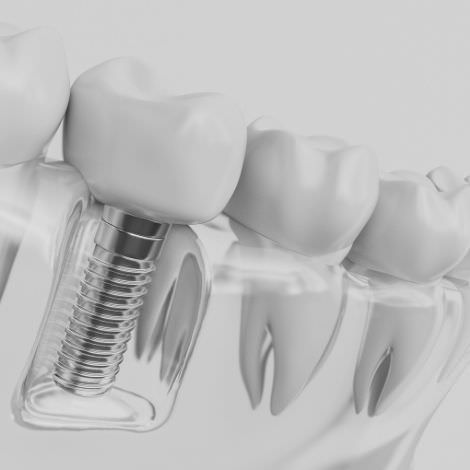
Over time, your natural bone will grow and integrate with the graft. This will strengthen the area and make it suitable for dental implants.
The bone graft enables the bone to rebuild itself and helps restore your facial contours. Grafting also helps stimulate new bone growth which is why it’s a popular solution to jawbone loss.
Dental Implants
Dental implants act as artificial tooth roots when surgically inserted into your jawbone. Over time they fuse with your bone in a process known as osseointegration.
“Osseointegration (osteointegration) refers to a phenomenon where an implant becomes so fused with bone that they cannot be separated without fracture [source].”
This fusion makes the bone around the tooth a stable foundation for the replacement tooth and gives the jaw bone the stimulation it needs to maintain its structure. Implants halt the process of bone loss even if you’ve already lost a significant amount of bone.
Sinus Lift
If you have lost teeth in your upper jaw or need a dental implant but there’s not enough bone height, a sinus lift—also known as sinus augmentation—might be recommended by your dentist.
A sinus lift procedure raises the sinus floor to let new bone form in the upper jaw area of your molars and premolars. It involves lifting the existing sinus membrane and placing a bone graft underneath it.
After several months of healing, the bone becomes part of your jaw and dental implants can then be inserted successfully.
Ridge Expansion
In case your jaw isn’t wide enough to support implants, a ridge expansion may be recommended. This is a procedure that involves dividing the jaw ridge—where the tooth used to be—into inner and outer segments which are then wedged apart.
This space is then filled with a bone graft material that encourages new bone growth and after several months of healing, dental implants can be placed in a thicker, more supportive jawbone.
Medications
Certain medications, especially those used to treat osteoporosis, can help increase bone density in your jaw. Bisphosphonates for instance, can slow bone loss and are sometimes used alongside other similar treatments.
Always consult your healthcare provider before starting any medication as they can advise on possible side effects and interactions with other medications.
How to Stop Tooth Bone Loss Naturally
It cannot be stressed enough that maintaining good oral hygiene is crucial in preventing further deterioration of the bone around the teeth and gums. Regular brushing, flossing, and using an antiseptic mouthwash can help keep your gums healthy and prevent periodontal disease—a leading cause of bone loss.
Regular check-ups and professional cleanings can also catch and address any oral issues early on, and potentially prevent bone loss from happening in the first place.
If you live in Brantford and suspect you are experiencing gum or jaw bone loss, Dr. Pio Modi DDS is one consultation away. By making an appointment with his office, you’re taking a proactive step to healing your jawbone and avoiding a lot of potential future health problems.