Posted on Tuesday, December 9th, 2025 | 35 views
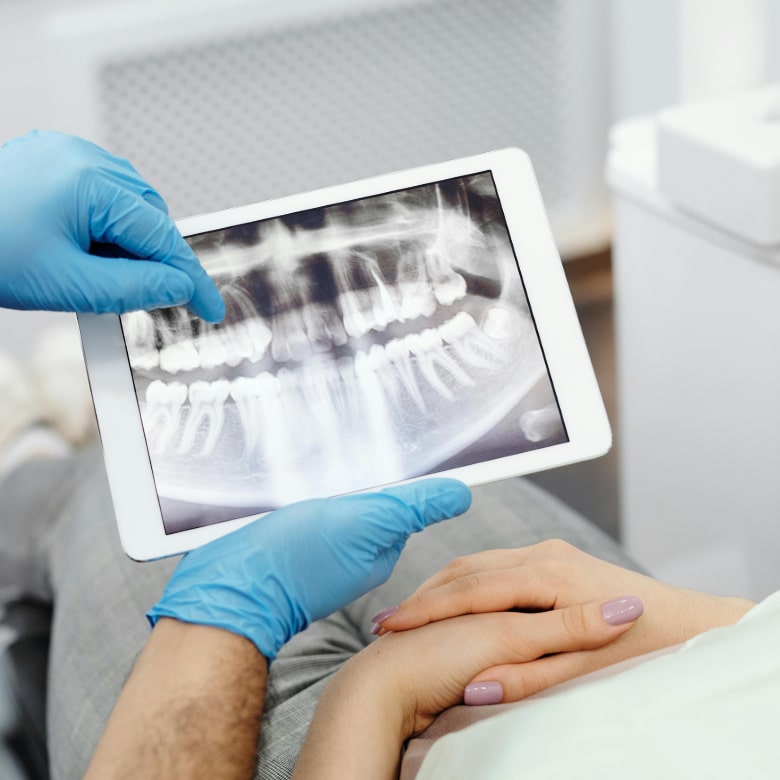 If you’re thinking about dental implants but still have concerns we understand that some people hesitate because of the stories they’ve heard-about rejection, pain, or failure.
Let’s clear up those misconceptions and get to the facts.
Here’s the Reality about Implant Rejection
Unlike organ transplants, dental implants are not the same. They are not rejected by the body in the way people would assume. This is because they’re made from biocompatible materials like titanium and Zirconia which naturally bond with your jaw-bone in a process called osseointegration.
Why this matters
- Your body will never attack the implant.
- Over time the implant becomes part of your jaw structure.
- Rejection is not a common cause of implant failure.
If an implant does end up failing, it’s very rarely because the body “rejected” it. Instead, it usually traces back to poor healing, smoking, high alcohol consumption or uncontrolled medical issues like diabetes.
The Truth About Common Concerns We Hear
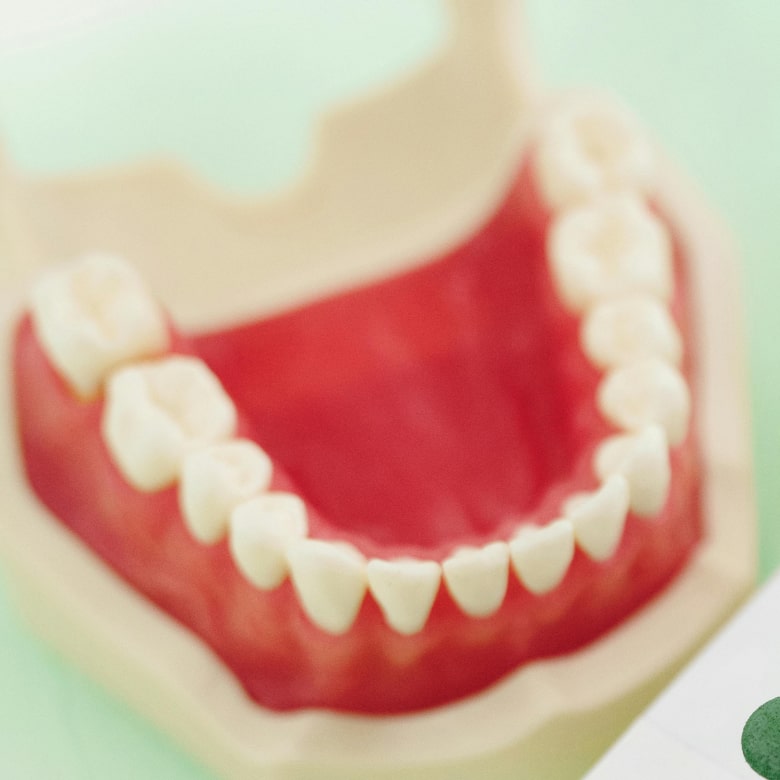 When patients come into Parkway Dentistry to ask about implants, these are the top questions we hear. Here’s what you need to know.
“What if I’m allergic to the materials?”
True titanium allergies are extremely rare. Less than 1% of the population is allergic to the materials used in implants and it’s usually related to high-sensitivity. But if you’re still concerned, non-metal options like zirconia are available and your dentist will discuss all materials before moving forward.
“Do implants hurt?”
There’s some mild discomfort during healing like all procedures, but it’s quite manageable with standard pain relief and most patients say the implant process is easier to manage than a tooth extraction.
“What if it doesn’t work?”
Implant success rates are over 95% when placed by a trained Doctor in Dental Surgery (DDS) and followed with a proper aftercare regiment. When placed correctly and cared for consistently implants are designed to last decades and often for life.
What’s the Normal Healing and Recovery Time?
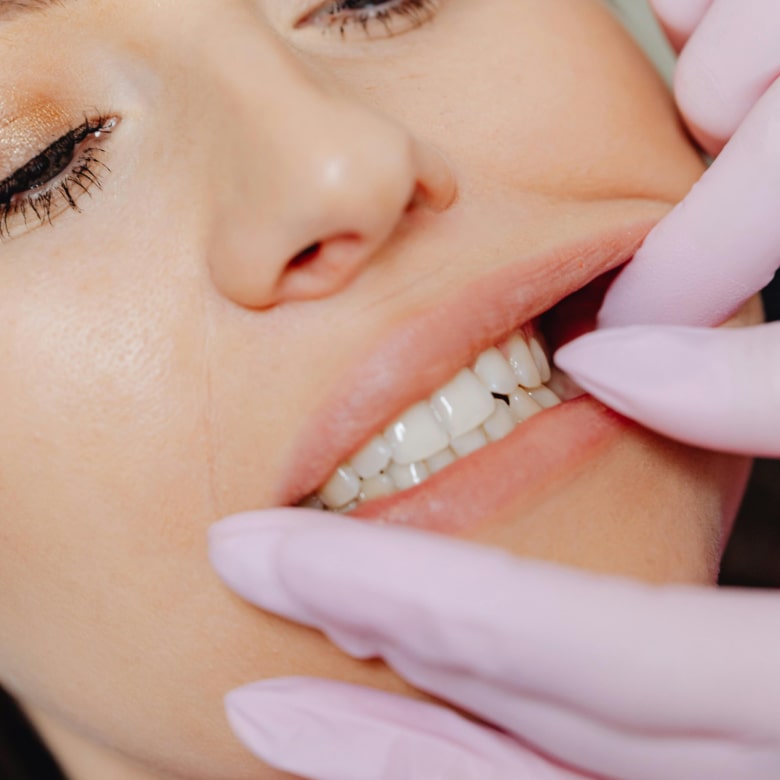 After implant placement, your mouth needs time to heal. You may experience swelling, minor bleeding, or tenderness for a few days. This is completely normal.
First 1 to 3 Days: This is when swelling and soreness are most noticeable. It’s usually described as moderate. Pain meds are commonly needed during this initial phase but many people return to light activities soon thereafter.
Days 3 to 7: Discomfort typically decreases significantly and shifts to mild tenderness around the implant site. By this point most patients report the pain is manageable and no longer as disruptive.
Up to 10 to 14 Days: Some residual sensitivity or gum tenderness will linger when chewing or applying heavy pressure but it’s rare for it to be painful beyond 2 to three weeks.
What to expect
- Initial healing takes 1 to 2 weeks.
- Full bone integration happens over 3 to 6 months.
- Most people return to work within a day or two.
Your dentist will give you personalized care instructions to help speed up recovery and avoid complications.
Implants Are Still the Best Long-Term Option for Missing Teeth
When you take a good look at cost, reliability and long-term health benefits, implants remain the gold standard for replacing missing teeth.
Here are the key benefits
- Prevent jawbone shrinkage.
- Stop neighbouring teeth from shifting.
- Restore chewing strength and speech clarity.
- Last decades with proper care.
- Ends chewing problems caused by missing teeth.
They look and feel like real teeth and that’s hard to beat.
Have Health Conditions? You Still Can Be Eligible
Even if you have diabetes, bone loss, or other medical conditions, that doesn’t automatically rule you out. Our dental team at Parkway Dentistry performs full evaluations to determine your viability and bone grafting treatments, special implant types and custom care plans to ensure success.
Talk to your dentist
If you’re still on the fence about implants, read the surprising connection between missing teeth and oral health to help you weigh the pros vs the cons of continuing to live with missing teeth. The best next step is to speak to your dentist.
At Parkway Dentistry we’re here to answer everything clearly and walk you through the process from start to finish.
Read More...
About Dr. Pio Z. Modi, DDS, BSc
After Dr. Modi graduated from McMaster University with an Honours B.Sc. in chemistry in 1997, he received his Doctorate of Dental Surgery from the University of Toronto in 2001. He began to practice dentistry in Brantford the following year. Throughout his career he's completed hundreds of hours of continuing education programs and has studied with some of the best educators in the industry.
