Posted on Friday, December 5th, 2025 | 13 views
 Dental implants are not always the first option a dentist may suggest as an oral treatment, and if may not be the first treatment that comes to mind with patients. But there are specific situations where they are helpful and necessary. It’s a dental treatment that’s necessary when natural teeth can no longer do their job properly and everyday life becomes quite uncomfortable.
If you’re unsure about whether implants might be right for your situation, here’s what you need to know.
For Tooth Loss and Missing Teeth
When you’re missing one or more teeth (especially in visible areas or areas used for chewing) we can safely say that implants offer the best stability and long term durability.
How will implants help?
Gaps of missing teeth in your smile affect how you look and they impact how you eat and speak. Implants act like real teeth and prevent the surrounding teeth from shifting, thus preserving your jaw structure. People with one or more missing teeth can attest to this.
When implants are the right call
- You’ve lost one or several teeth.
- Dentures or bridges are uncomfortable.
- Denture or bridges or not functional.
- You want a fixed and natural-feeling alternative.
Implants are the most natural replacement available and often last a lifetime with proper care. See when the connection between missing teeth and your oral health.
Tooth Decay or Tooth Damage
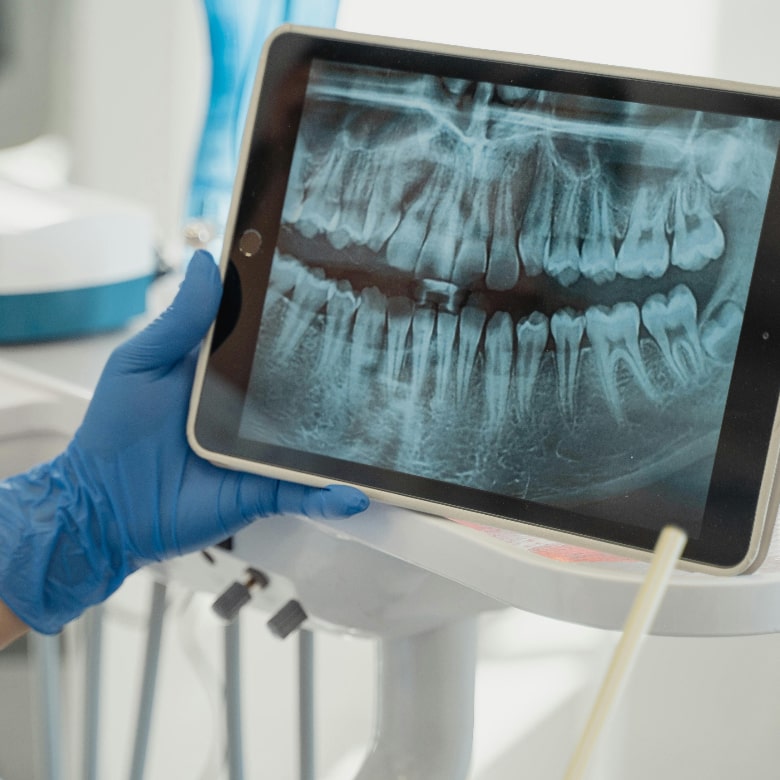 Sometimes a tooth is too far gone to consider saving even with a crown or root canal. If the tooth is structurally compromised it may need to be extracted and replaced with an implant so proper oral functions can continue like normal.
Do dental implants help?
Keeping a failing tooth risks an array of problems including constant infections and even jaw-bone loss. In such cases many dentists suggest replacing a failing tooth early so as to prevent the problem from spreading to other teeth in your mouth.
Signs you’re headed in this direction
- Deep cavities that extend well below the gum line.
- You have cracks or fractures that go into the tooth’s root.
- You experience persistent infections despite previous treatments.
To fix this problem an implant is the most viable and predictable long-term option once a tooth can no longer support regular restorative work.
Jaw-bone Deterioration
The longer a tooth is missing, the more you’ll experience gum recession and jaw-bone deterioration. The jawbone needs regular stimulation from tooth roots to stay healthy but when teeth are missing the bone starts to weaken and shrink.
How do implants help?
Dental implants are the only solution that replaces the root of the tooth to help stop or slow down jawbone loss.
Situations where it’s needed
- You’ve worn dentures for years and notice changes in face shape.
- You see visible bone shrinkage in your jaw.
- You’re losing support for nearby teeth due to bone loss.
Implants (sometimes combined with bone grafting) are used to restore lost function and keep your jaw structure intact. See the reasons you could be experiencing bone loss and how to stop it for more detailed information.
Trouble with Dentures or Bridges
 After a while some people can’t tolerate removable dentures anymore or aren’t interested in bridges because they require grinding down healthy teeth.
How implants help
Removable devices can slip or irritate the gums and bridges rely on the strength of adjacent teeth, all which can weaken over time. Implants, on the other hand are anchored directly into the jawbone and don’t depend on other teeth nor risk gum irritation.
Implant solutions for these issues
- Denture wearers who want more security like with implant-supported dentures.
- Patients with bridge failures or damaged anchor teeth.
- People with strong bite force or highly active lifestyles.
The fixed implant solution will offer more comfort, stability and confidence than most traditional options.
Following a Tooth Extraction
There are some cases where it makes sense to place an implant shortly after a tooth is removed instead of waiting months.
Why Do This
Immediate implant placement can preserve bone and gum contour and speed up the restoration process.
Your dentist will consider this if
- The tooth being pulled is in a visible area.
- You want to avoid wearing a temporary denture.
- Bone levels are still strong enough to support an implant.
In cases like this timing is important and delays can mean needing bone grafts or facing longer healing times later on.
When Other Treatments Fail
If past dental work doesn’t hold up like a crown is repeatedly falling off or a root canal is failing, then implants become the next step.
Why Do This
Restoring a failing tooth becomes more complicated and more costly than outright replacing the tooth.
You might need an implant if
- You’ve had multiple failed root canals on the same tooth.
- A bridge has broken and the supporting teeth are weakened.
- Dental crowns don’t stay in place anymore.
In these cases, dental implants provide a fresh start when past treatments are no longer working.
Consider Your Long-Term Oral Health
In the end dental implants help restore full function, preserve your bone, and will support your overall oral health. Investing in implants positively affects your long-term oral health and reduces the risk of further dental issues by saving you time, money, and discomfort down the line.
Talk to Your Dentist About Implants
If you live in Brantford and you’re dealing with tooth loss, chronic pain, or repeated treatment failures, you can visit our dental implants treatments page for more information on the procedure and to discover if they’re the right fit for you.
Read More...
About Dr. Pio Z. Modi, DDS, BSc
After Dr. Modi graduated from McMaster University with an Honours B.Sc. in chemistry in 1997, he received his Doctorate of Dental Surgery from the University of Toronto in 2001. He began to practice dentistry in Brantford the following year. Throughout his career he's completed hundreds of hours of continuing education programs and has studied with some of the best educators in the industry.
